Caterpillar have announced another rejig, this time letting 10,000 staff go in its quest to lower costs and get back on track. Caterpillar look to set a new low in 2016; setting the milestone of four years of lagging sales, unprecedented in its history >>Link<<
Study the graph to get the picture...
Right now, with the slide ongoing, I'd say Caterpillar are a good buy. Hell, their market cap is under $40 billion.
Caterpillar have challenges ahead for sure, but my bet is they'll handle it. Those challenges include making headway in China. Right now that isn't the case, buyers there, like many other buyers in the emerging market countries, look at price and make their equipment procurement decisions on price alone. In North America, Japan and Western Europe, the whole of life cost is paramount and on that basis Caterpillar win hands down. They're by far the best machine in most categories; but particularly their medium to large Wheel Loaders and Dozers.
Caterpillar have never made a good excavator though and that must be addressed. Hitachi are the standard there and they link up with Deere, so on that front Cat has a real fight on its hands. Caterpillar had better knuckle down and develop strong excavators. Either that or buy someone out who does. They've acquired technology in the past, Perkins comes to mind, so this should not be a problem.
Caterpillar has a strong financing arm, but at the dealer level they need to be more engaged with the end-user. I've stopped counting the number of times contractors in the USA have told me they prefer John Deere due to the local Cat dealer being rude to them. Many Cat dealers in the USA have an attitude of you are privileged to be dealing with them and that has to stop. Consider 60% of Cat sales are in the USA and you can see they have a problem.
Good management can solve any of the challenges I've highlighted. Have the senior managers looked in the mirror and asked themselves if they're up to the task?
(Note: These opinions are information only and do not constitute investment advice. If you need investment advice on these stocks or anything else for that matter, talk to your recognised and professional investment adviser. Better still, do your own research and act on it confident in your own ability.)
Opinions on politics, economics, sport, investment and anything interesting, stocks and shares, art and entertainment, good reads, and cool stuff.
September 26, 2015
September 21, 2015
Japan Rugby Christchurch Connection
The media are not reporting a Christchurch connection with the Japan team that has upset South Africa 34-32 at this year's Rugby World Cup.
In the team is Kosei Ono, who grew up in Christchurch from the age of three, learned to play Rugby here and played for the Christchurch Boys' High School first XV. He now lives in Japan and plays there professionally. His father is still local to Christchurch, he owns a sports massage business called Ono Seitai Sports Clinic.
Journalists have likely flicked through the roster of this ground-breaking team and tried to spot the foreign names, and in the process missed a local lad doing well.
Kosei Ono at RWC 2015
[ edit to add - Kosei Ono is now covered on Stuff...The Press got around to doing their job ]
In the team is Kosei Ono, who grew up in Christchurch from the age of three, learned to play Rugby here and played for the Christchurch Boys' High School first XV. He now lives in Japan and plays there professionally. His father is still local to Christchurch, he owns a sports massage business called Ono Seitai Sports Clinic.
Journalists have likely flicked through the roster of this ground-breaking team and tried to spot the foreign names, and in the process missed a local lad doing well.
Kosei Ono at RWC 2015
[ edit to add - Kosei Ono is now covered on Stuff...The Press got around to doing their job ]
September 12, 2015
Warren Buffett Nightmare
Those who have seen the Motley Fool internet advertisement about what makes Warren Buffett lose sleep at night will be wondering what it is. I can tell you they're talking about driverless cars and the impact that may have on the auto insurance industry. The argument goes that the Berkshire Hathaway owned Geico insurance will be impacted by these cars which are predicted to be commonplace within five years.
Motley Fool then recommend a computer chip maker that makes the type of chip for driverless cars.
A word of caution; while the insurance landscape may well change due to these cars, who is to say the business will be less profitable? Accidents will be fewer, meaning less claims and thus cost to the insurer, but car owners will still need to insure for those accidents that are unavoidable.
Which chip maker will win in the race ahead is anyone's guess, invest carefully and only when you're confident, and the first thing to ignore I'd say, would be scaremongering of the Motley kind.
Motley Fool then recommend a computer chip maker that makes the type of chip for driverless cars.
A word of caution; while the insurance landscape may well change due to these cars, who is to say the business will be less profitable? Accidents will be fewer, meaning less claims and thus cost to the insurer, but car owners will still need to insure for those accidents that are unavoidable.
Which chip maker will win in the race ahead is anyone's guess, invest carefully and only when you're confident, and the first thing to ignore I'd say, would be scaremongering of the Motley kind.
August 28, 2015
New Rifle For NZ Army
Looks like the new rifle for the NZ military will be from the Lewis Machine and Tool Co., of Marion, Illinois. It isn't clear what actual weapon has been chosen, but the below firearms blog has some information...
>> New Zealand Army Selects LMT To Replace Steyr AUG <<
Is this company any good? It would be handy to know, please comment. The weapon the army has been trying looks like one in the embedded image.
A few other upgrades are in the process, including upgrades to NZ's two (yes you read that right) frigates. Why don't they just buy new Frigates? Four would do.
>> New Zealand Army Selects LMT To Replace Steyr AUG <<
Is this company any good? It would be handy to know, please comment. The weapon the army has been trying looks like one in the embedded image.
August 25, 2015
More Cool Stuff
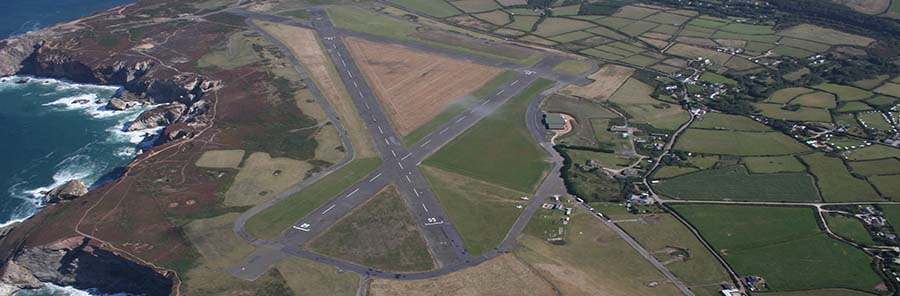
How about this airfield which appears to have been on the market for some time. It used to be a WW2 Spitfire base with some of the infrastructure still in place from that era.
Perranporth Airfield is used for general aviation and covers around 332 acres. It has buildings, tarmac runways, and can be had for the ballpark of £1.5 million. Has this been sold? If not, why not. I would have thought all those warbird guys out there would be champing at the bit to get their hands on this place.
>> Sale Brochure Here <<
And for the boaties, the same region, a port built in 1792. It has a cleverly engineered design and was used for the export of local clay. These days it's a film set and a place to park your very own square rigged vessel.
>> Charlestown <<
>> Real Estate Listing <<
No idea what they'll take but my guess you'd be talking seriously starting at the same price as the airfield above.
Here is a pic, it comes with the lock, some buildings, beaches etc
Perranporth Airfield is used for general aviation and covers around 332 acres. It has buildings, tarmac runways, and can be had for the ballpark of £1.5 million. Has this been sold? If not, why not. I would have thought all those warbird guys out there would be champing at the bit to get their hands on this place.
>> Sale Brochure Here <<
And for the boaties, the same region, a port built in 1792. It has a cleverly engineered design and was used for the export of local clay. These days it's a film set and a place to park your very own square rigged vessel.
>> Charlestown <<
>> Real Estate Listing <<
No idea what they'll take but my guess you'd be talking seriously starting at the same price as the airfield above.
Here is a pic, it comes with the lock, some buildings, beaches etc
August 20, 2015
Stuff That's Kind Of Cool
From the strange but true file, I found this Soviet era submarine on the internet. It sits on a river in England, may be for sale, can it actually submerge? Note the interior is nothing like the movie The Hunt For Red October.
>>Check The Foxtrot Sub Out<<
>>Daily Mail Story<<
YouTube...
Then how about owning your very own T-34 Tank from the Second World War. They're pulling them out of the mud these days, and they start right up with little fiddling around to get them to go. The one in the below video shows German markings, it was captured and used by the Germans, then when they retreated and having no spares for it, they drove it into the lake, to be pulled out much later in the year 2000...
>>Check The Foxtrot Sub Out<<
>>Daily Mail Story<<
YouTube...
Then how about owning your very own T-34 Tank from the Second World War. They're pulling them out of the mud these days, and they start right up with little fiddling around to get them to go. The one in the below video shows German markings, it was captured and used by the Germans, then when they retreated and having no spares for it, they drove it into the lake, to be pulled out much later in the year 2000...
August 19, 2015
To the American - My Answers
I have reproduced the American woman's rant below and now come to the conclusion that she isn't genuine. Either the post was from someone who visited Kiwiland and didn't like the experience or she's simply repeating things told to her by someone she knows.
I'll deal with her comments as close as I can to the order in which they arise...
American Living In NZ - She's Trapped
I found the below at this link. What do you think, is she to be believed?
First off, they're living in Christchurch, why can't her American civil engineer husband find a job in the earthquake ravaged city? It doesn't stack up. Same with her nursing qualifications which would be easily recognised. There is a ring of truth to some of it though, here it is...
“Hi there,
I have been following this thread for a few days whilst I was on Holiday at Lake Tekapo. I guess it is my turn to chime in.
August 15, 2015
More About What Is Going On
Standard & Poor's today announced the downgrading of the big four banks in NZ. Confirmation about what I said earlier then, the banks are becoming overheated...
>>LINK<<
>>LINK<<
August 14, 2015
Is Coal Dead?
Graphs for you to digest in answer to the question, is coal dead?
Change in Energy Consumption 2000-2012
Coal Consumption 1965-2011
Coal Production 1980-2010
Does this look like a dead resource to you? Far from it, coal underpins all industry and as the world advances coal production increases. The recent announcement putting Solid Energy under administration and the sale of the Vale coal mine on New South Wales for $1 are not a reflection of the industry's prospects.
The world's biggest producer, China, plans to increase its output, accounting for 60% of all coal output by 2019, that's only four years away...>>Link<<
Why the drop in the coal price then? Two factors, a slight drop in demand from Europe and America, combined with an increase in supply from new mines in much cheaper areas. Mines in NZ, North America and Australia find it hard to compete, that's all. To keep up they'll have to employ new technology.
Change in Energy Consumption 2000-2012
Coal Production 1980-2010
Does this look like a dead resource to you? Far from it, coal underpins all industry and as the world advances coal production increases. The recent announcement putting Solid Energy under administration and the sale of the Vale coal mine on New South Wales for $1 are not a reflection of the industry's prospects.
The world's biggest producer, China, plans to increase its output, accounting for 60% of all coal output by 2019, that's only four years away...>>Link<<
Why the drop in the coal price then? Two factors, a slight drop in demand from Europe and America, combined with an increase in supply from new mines in much cheaper areas. Mines in NZ, North America and Australia find it hard to compete, that's all. To keep up they'll have to employ new technology.
August 13, 2015
Solid Energy Enters Administration
A sad day for New Zealand as the state owned coal miner has hit the wall and appointed administrators.
What is the plan now? The first thing will be to have a meeting of creditors with a vote about whether they agree with the proposal to sell down the assets of the company over time. If they don't agree then I imagine the result will be liquidation.
>>Intelligent Article Here<<
Coal mining is viable and profitable. Imagine the industrialised world without coal. It's hard to imagine as it isn't possible. We need uninterrupted electricity, steel, cement, you name it.
A lot of the business units within Solid Energy are very good operations with high quality coal, and without government interference they'll do well, so selling them off to private operators is the best bet IMO. Stumbling along as they are now isn't an option.
What is the plan now? The first thing will be to have a meeting of creditors with a vote about whether they agree with the proposal to sell down the assets of the company over time. If they don't agree then I imagine the result will be liquidation.
>>Intelligent Article Here<<
Coal mining is viable and profitable. Imagine the industrialised world without coal. It's hard to imagine as it isn't possible. We need uninterrupted electricity, steel, cement, you name it.
A lot of the business units within Solid Energy are very good operations with high quality coal, and without government interference they'll do well, so selling them off to private operators is the best bet IMO. Stumbling along as they are now isn't an option.
August 10, 2015
Lada a Great Car
Saw two Lada cars today, the first was a classic sedan based on the Fiat 124. A lot of these were sold in NZ and they seem to have held up well. The second was a Niva, in very good condition >>Like This<<. These cars are very rugged and have aged very well, especially the Niva. I believe many Niva's have been repowered with Japanese diesels, but don't quote me on it.
On this subject and Russia in general, found the following....
http://vilnews.com/2011-06-my-1978-lada-in-new-zealand
A nice story about owning a Lada in NZ.
Then the following from a history buff and the T-34...
http://historygeek.co.nz/2012/05/13/from-russia-with-love-the-t-34/#more-81
But heh the article is only partly correct, the Soviets won the Second World War by having superior logistics, a numerical advantage, an effective chain of command and better tactics as well as more suitable equipment. Mention is made of the AK47 and US soldiers preferring it in Vietnam? I've seen news footage with Americans using that weapon in Iraq!
On this subject and Russia in general, found the following....
http://vilnews.com/2011-06-my-1978-lada-in-new-zealand
A nice story about owning a Lada in NZ.
Then the following from a history buff and the T-34...
http://historygeek.co.nz/2012/05/13/from-russia-with-love-the-t-34/#more-81
But heh the article is only partly correct, the Soviets won the Second World War by having superior logistics, a numerical advantage, an effective chain of command and better tactics as well as more suitable equipment. Mention is made of the AK47 and US soldiers preferring it in Vietnam? I've seen news footage with Americans using that weapon in Iraq!
NZ Flag Debate Revisited
The Top 40 has been announced and I don't like any of them so won't be voting to change the flag. The modern version of the Hundertwasser just looks like a corporate logo, it lacks the artistic touch of the original, compare...
The new Hundertwasser which is in the top 40...
The original from the great man himself....
The original is much better, it has the black border to the left, a nicer green which is more like NZ, and the fern frond unfurls beautifully.
The flag designed by James Gray of Auckland with the laser vision Kiwi is better than the top 40 chosen.
The new Hundertwasser which is in the top 40...
The original from the great man himself....
The original is much better, it has the black border to the left, a nicer green which is more like NZ, and the fern frond unfurls beautifully.
The flag designed by James Gray of Auckland with the laser vision Kiwi is better than the top 40 chosen.
August 08, 2015
New Zealand, What I Think Is Going On
Two things making the news right now, ever increasing house prices, especially in Auckland, and the plunging milk price paid to dairy farmers.
Is it Chinese buyers bidding up house prices? Well I think, only partly, in a broader sense it's everyone buying houses, not just the one ethnic group of immigrants and investors.
What I think is going on is monetary inflation, or something akin to that, with money brought in by the banks, not just investors. If you look around the world most developed economies offer very low returns, while others such as Greece are actually bust. In NZ returns are much higher, so the banks look to shift their funds from low interest countries to places like NZ, and the result is funds available for lending to everyone. That means more money available chasing the same number of houses, equalling a general rise in house prices.
We are all recipients of this, particularly when we sell our houses at inflated values. The safety valve of sorts is that a large proportion of those sale proceeds heads to Australia, particularly the Gold Coast.
There is no easy fix here. If NZers are stopped from house trading then the result for the NZ economy will be dire. The house price inflation is just about all that is holding things up. To a certain extent NZ is like a drug addict, hooked on the banks supply.
A possible solution would be controls on the inflows and outflows of foreign exchange. A return to the seventies. It may have to happen.
Then we have the milk export price farmers receive. Something not pointed out but I think is relevant; what happened to world population, did they suddenly stop eating? Hmm? No they didn't, so the drop in NZ milk export price must mean global supply has increased.
What did you think New Zealand, did you think the rest of the world would be prepared to sit there paying for your milk rather than make it themselves and much cheaper? The big buyers, like China, aren't sitting round twiddling their thumbs, they're setting up farms at much lower cost than in NZ and producing milk at home and in South America, Africa, Asia, even the USA.
Further complicating this is the ban by Russia on imports from the EU. Dairy makes up a large proportion of that volume and now the EU are dumping their output anywhere they can find a buyer, directly competing with good old NZ.
Here yet again, is another lesson NZ fails to heed. Don't put all your eggs in one basket. NZ gets carried away on the latest big thing, and forgets we need a balanced, diversified and developed economy, making products with real value, middle and high tech, the lot. If we fail to develop, then we're going to see more boom and bust.
Is it Chinese buyers bidding up house prices? Well I think, only partly, in a broader sense it's everyone buying houses, not just the one ethnic group of immigrants and investors.
What I think is going on is monetary inflation, or something akin to that, with money brought in by the banks, not just investors. If you look around the world most developed economies offer very low returns, while others such as Greece are actually bust. In NZ returns are much higher, so the banks look to shift their funds from low interest countries to places like NZ, and the result is funds available for lending to everyone. That means more money available chasing the same number of houses, equalling a general rise in house prices.
We are all recipients of this, particularly when we sell our houses at inflated values. The safety valve of sorts is that a large proportion of those sale proceeds heads to Australia, particularly the Gold Coast.
There is no easy fix here. If NZers are stopped from house trading then the result for the NZ economy will be dire. The house price inflation is just about all that is holding things up. To a certain extent NZ is like a drug addict, hooked on the banks supply.
A possible solution would be controls on the inflows and outflows of foreign exchange. A return to the seventies. It may have to happen.
Then we have the milk export price farmers receive. Something not pointed out but I think is relevant; what happened to world population, did they suddenly stop eating? Hmm? No they didn't, so the drop in NZ milk export price must mean global supply has increased.
What did you think New Zealand, did you think the rest of the world would be prepared to sit there paying for your milk rather than make it themselves and much cheaper? The big buyers, like China, aren't sitting round twiddling their thumbs, they're setting up farms at much lower cost than in NZ and producing milk at home and in South America, Africa, Asia, even the USA.
Further complicating this is the ban by Russia on imports from the EU. Dairy makes up a large proportion of that volume and now the EU are dumping their output anywhere they can find a buyer, directly competing with good old NZ.
Here yet again, is another lesson NZ fails to heed. Don't put all your eggs in one basket. NZ gets carried away on the latest big thing, and forgets we need a balanced, diversified and developed economy, making products with real value, middle and high tech, the lot. If we fail to develop, then we're going to see more boom and bust.
Labels:
Collapse,
Crash,
Economy,
House Prices,
Inflation,
Mill Price,
New Zealand,
NZ Government
August 05, 2015
SETI Alien Discovery Getting Closer
The below link outlines the new Wow signal and the hint that, possibly, maybe, aliens do exist...
http://www.abovetopsecret.com/forum/thread1000282/pg1
We are all familiar by now with 1977's Wow signal, the problem being of course, it has never been detected again.
Now this new Wow signal comes along to tease us.
http://www.abovetopsecret.com/forum/thread1000282/pg1
We are all familiar by now with 1977's Wow signal, the problem being of course, it has never been detected again.
Now this new Wow signal comes along to tease us.
July 07, 2015
New Basketball
I've played and coached basketball all my life. I grew up in a town called Nelson at the top of the South Island in New Zealand where it isn't rugby that is king - it is basketball.
Having said that, I'd like to revamp the game, making changes to open the flow and at the same time reward height and defence. Yes, you heard right. I think with the way things stand right now, height isn't rewarded, the three point line is in the wrong place, and defence is penalised.
My NEW basketball.
Four quarters of 8 minutes each, stop clock play. No zone defence allowed. 5 second back court, 22 second shot clock, no reset of shot clock unless a shot is taken that hits the rim or backboard.
Use the NBA ball or brown leather, no coloured panels or red, white and blue. Multi coloured clothing allowed, FIBA rules in this regard are restrictive.
The hotspot or restricted area shrinks to line up with the outside dimensions of the backboard. Hotspot time shortened to 2 seconds. Do away with the no charge zone.
Shots from inside the hotspot count 1 point unless a dunk, which is 2 points. Shots from outside the hotspot but inside the three point line count 2 points. Layups, put backs, tip ins are all 1 point, as is any other shot not a dunk from within the now shrunken restricted (hotspot) area. A dunk is a downward shot placing the ball into the basket while the wrist(s) remain above the rim. Jams would count for one point as that means the ball travels upward at some point in its flight, they are not a real dunk.
Move the three point line out six inches beyond the NBA line to 22'6" in the corner and at the arc 24'3". Beyond that line score 3 points.
Introduce a four point line which would be across the court and line up with the outer perimeter of the centre circle. Shots behind that line count 4 points, 5 points if inside the centre circle and in the front court. Behind the centre line, 6 points but the ball must be legally in the back court.
What this does is reward shots, height and defence. To mitigate the extra points that can be scored by long shots, I allow goal tending, which is deflecting or catching the ball in free flight toward the basket ( even if moving downward to the goal ). Any touch of the net, backboard, rim, or putting the hand up under and through the basket to deflect a shot would be still disallowed.
Substitutions do not occur through game stoppage. Players enter the court inside the four point line area, and a player must have left the court with both feet outside the line before his replacement can enter. Breaking this rule results in a technical foul, two shots and the ball back at halfway for the non-offending team. But like handball, players can run on and off. You get a much faster game this way guys.
Jump off to start each quarter and any tied possession. None of this NCAA and FIBA direction arrow nonsense. Defence is rewarded. The jump ball at second and third quarter time to occur nearest where play stopped, while at the start of the game and after half-time the jump occurs at the centre circle.
Held ball 4 seconds.
Dribbling strictly enforced with only downward pressure acceptable. Most dribbling today is carry ball.
Travel strictly enforced. Many players travel today.
Two referees in general play, the third manages substitutions, the four point line and beyond.
One time out allowed per team in each quarter lasting 45 seconds. Play resumes with an inbound pass from where play ceased when the time out was requested. None of this advancing the ball to centre court.
Half time 2 minutes, 1 minute between quarters. Extra time 3 minutes 30 seconds.
Fouls - Six allowed for each player but any unsportsmanlike or individual technical foul disqualifies that player from the game altogether ( removed from the game on committing the seventh foul or when unsportsmanlike or technical ). No team foul rule resulting in shots, if a team commits more than eleven fouls in a quarter, they lose a player on the court (down to four) for the rest of the quarter and if within two minutes of the end then the quarter following, and another player for every three fouls after that.
Ten players on a team. Five on the court at any one time.
I'd consider raising the ring six inches, and increasing the size of the ball for men a tad. Women stay with the ball they use now but maybe lower the ring six inches.
What do you think?
Pictured below is a rough diagram of what the court would look like, on the left my dimensions ( maybe showing the three point too far out ), and compare with the NBA court on the right. The four point/substitution area is also drawn. The area in blue is 1 point unless a dunk, outside there and before the three point line 2 points, then 3 behind the three point line, 4 within the substitution area and 5 from inside the centre circle in the front court, 6 anywhere legally behind the half way mark. Only allowed in the blue area for 2 seconds.
Having said that, I'd like to revamp the game, making changes to open the flow and at the same time reward height and defence. Yes, you heard right. I think with the way things stand right now, height isn't rewarded, the three point line is in the wrong place, and defence is penalised.
My NEW basketball.
Four quarters of 8 minutes each, stop clock play. No zone defence allowed. 5 second back court, 22 second shot clock, no reset of shot clock unless a shot is taken that hits the rim or backboard.
Use the NBA ball or brown leather, no coloured panels or red, white and blue. Multi coloured clothing allowed, FIBA rules in this regard are restrictive.
The hotspot or restricted area shrinks to line up with the outside dimensions of the backboard. Hotspot time shortened to 2 seconds. Do away with the no charge zone.
Shots from inside the hotspot count 1 point unless a dunk, which is 2 points. Shots from outside the hotspot but inside the three point line count 2 points. Layups, put backs, tip ins are all 1 point, as is any other shot not a dunk from within the now shrunken restricted (hotspot) area. A dunk is a downward shot placing the ball into the basket while the wrist(s) remain above the rim. Jams would count for one point as that means the ball travels upward at some point in its flight, they are not a real dunk.
Move the three point line out six inches beyond the NBA line to 22'6" in the corner and at the arc 24'3". Beyond that line score 3 points.
Introduce a four point line which would be across the court and line up with the outer perimeter of the centre circle. Shots behind that line count 4 points, 5 points if inside the centre circle and in the front court. Behind the centre line, 6 points but the ball must be legally in the back court.
What this does is reward shots, height and defence. To mitigate the extra points that can be scored by long shots, I allow goal tending, which is deflecting or catching the ball in free flight toward the basket ( even if moving downward to the goal ). Any touch of the net, backboard, rim, or putting the hand up under and through the basket to deflect a shot would be still disallowed.
Substitutions do not occur through game stoppage. Players enter the court inside the four point line area, and a player must have left the court with both feet outside the line before his replacement can enter. Breaking this rule results in a technical foul, two shots and the ball back at halfway for the non-offending team. But like handball, players can run on and off. You get a much faster game this way guys.
Jump off to start each quarter and any tied possession. None of this NCAA and FIBA direction arrow nonsense. Defence is rewarded. The jump ball at second and third quarter time to occur nearest where play stopped, while at the start of the game and after half-time the jump occurs at the centre circle.
Held ball 4 seconds.
Dribbling strictly enforced with only downward pressure acceptable. Most dribbling today is carry ball.
Travel strictly enforced. Many players travel today.
Two referees in general play, the third manages substitutions, the four point line and beyond.
One time out allowed per team in each quarter lasting 45 seconds. Play resumes with an inbound pass from where play ceased when the time out was requested. None of this advancing the ball to centre court.
Half time 2 minutes, 1 minute between quarters. Extra time 3 minutes 30 seconds.
Fouls - Six allowed for each player but any unsportsmanlike or individual technical foul disqualifies that player from the game altogether ( removed from the game on committing the seventh foul or when unsportsmanlike or technical ). No team foul rule resulting in shots, if a team commits more than eleven fouls in a quarter, they lose a player on the court (down to four) for the rest of the quarter and if within two minutes of the end then the quarter following, and another player for every three fouls after that.
Ten players on a team. Five on the court at any one time.
I'd consider raising the ring six inches, and increasing the size of the ball for men a tad. Women stay with the ball they use now but maybe lower the ring six inches.
What do you think?
Pictured below is a rough diagram of what the court would look like, on the left my dimensions ( maybe showing the three point too far out ), and compare with the NBA court on the right. The four point/substitution area is also drawn. The area in blue is 1 point unless a dunk, outside there and before the three point line 2 points, then 3 behind the three point line, 4 within the substitution area and 5 from inside the centre circle in the front court, 6 anywhere legally behind the half way mark. Only allowed in the blue area for 2 seconds.
July 06, 2015
Re-inventing Athletics - Let's Make It Interesting
Hey guys, don't you find athletics boring? I enjoyed running cross-country but attending athletic events was a pain. I remember spending a whole afternoon waiting to see Hasely Crawford run ( he won of course ) and thought even then there had to be a better way.
First off, let's get rid of most of the distances competitors run and scrap all the current field events with the exception of one. My competition looks like this;
Foot race
No starting blocks.
50 metres sprint, starting at the 60 metre mark, runners line up in two parallel lines and go head-to-head like top fuel eliminators, winner to the next round, losers to a repechage. The top two times that are also winners in each round face one another in the final ( all losers can only be second or third at best ). The race is a flying 50 metres. No false starts, just are you fast, and the event takes place across two lanes while the field events are taking place.
Middle and longer distance - scratch and handicap
If handicapped the result is first across the line wins. If an event from scratch ( all start at the start and run the same distance ) then points are awarded for race performance.
Scratch 800 metres - first across the line at 400 metres scores a point, then points at the finish.
First - 4 points, Second - 2 points, Third - 1 point, Mid-race 1 point. In a tie mid-race decides.
Like this - a runner wins the race but he was at the back at the end of the first lap = 4 points.
Then the guy who comes second was second from last mid-race = 2 points
The guy who was third won the mid-race = 2 points.
Gold - 4 points
Silver - the person third across the line with the mid-race victory.
Bronze - the guy second across the line and second from last at the end of the first lap.
This structure prevents runners from hanging around the back and sprinting at the end. It rewards those who do well and try during the race.
Scratch 1600 metres - 4 laps - mid-race points scored at lap 2 and 3. This lets the field sort itself out during the first lap; 1 point each mid-race winner, first three across the line at the finish score.
First - 5 points, Second - 3 points, Third - 2 points, Mid-race - 1 point. If a competitor won both mid-race points and came second, he'd win the race as clearly he had done the best.
Scratch 3200 metres - 8 laps - mid-race points scored at 2,3,4,5,6. First across the line at lap 8 - 10 points, Second - 5 points, Third - 3 points.
Once again it is possible for those who make an effort mid-race to achieve a high place.
Finish outside the top 5 though and points wouldn't count. For points to count, the runner must finish in the top 5.
This structure keeps the audience on the edge of their seats, with something always happening.
The event could start with middle distance handicap, then scratch races, culminating in sprint eliminator with field events at the same time as the sprints.
Field events - scrap all current field events apart from the pole vault, which would be changed to jumping through a target window, which must be penetrated without touching the sides.
Basketball shooting - points scored 1, 2, 3, 5, 6; in one minute from pre-determined points.
Soccer kick accuracy - points scored for hitting the target at pre-determined points, more points scored the harder the kick, such as bending the ball around an obstacle.
Rugby passing - hit the target, suits all forms of hand-held ball sports. Once again more points from farther away and around an obstacle.
Standing jump, good for basketball and volleyball players and lineout jumpers, hit the tag with your hand, height raised until there is a winner.
Running jump - same as for standing but allowed a run up.
In all there are 6 field events, and 4 running distances meaning 8 events both scratch and handicap.
Relays could be held, say 50 + 1600 + 20 baskets at 20 feet + 800 metres.
A field event could be added I call a bat and ball biathlon, hitting and throwing a ball like a cricket or baseball, miss and they have to run a set distance - first across the line wins.
What do you think?
Famous races from history, how would they look if my system was used? Obviously races would be run differently, so bear that in mind, but just for arguments sake;
1976 1500 metres Montreal - the result stays the same but the winner John Walker scores 6 points as he won lap 3 and the finish. But the bronze would be in play as Eamon Coughlan came fourth but won a lap, if he'd taken another one he'd displace Wellman for third based on race performance.
1980 800 metres Moscow - the bronze would go to the Brazilian Agberto Guimaraes and not the Soviet runner Kirov. Guimaraes won the mid-race and came fourth ( remember my rule you have to be top five for the points to count ). This is fairer as the Brazilian ran a good race and did better, with the Soviet runner simply cashing in at the end.
First off, let's get rid of most of the distances competitors run and scrap all the current field events with the exception of one. My competition looks like this;
Foot race
No starting blocks.
50 metres sprint, starting at the 60 metre mark, runners line up in two parallel lines and go head-to-head like top fuel eliminators, winner to the next round, losers to a repechage. The top two times that are also winners in each round face one another in the final ( all losers can only be second or third at best ). The race is a flying 50 metres. No false starts, just are you fast, and the event takes place across two lanes while the field events are taking place.
Middle and longer distance - scratch and handicap
If handicapped the result is first across the line wins. If an event from scratch ( all start at the start and run the same distance ) then points are awarded for race performance.
Scratch 800 metres - first across the line at 400 metres scores a point, then points at the finish.
First - 4 points, Second - 2 points, Third - 1 point, Mid-race 1 point. In a tie mid-race decides.
Like this - a runner wins the race but he was at the back at the end of the first lap = 4 points.
Then the guy who comes second was second from last mid-race = 2 points
The guy who was third won the mid-race = 2 points.
Gold - 4 points
Silver - the person third across the line with the mid-race victory.
Bronze - the guy second across the line and second from last at the end of the first lap.
This structure prevents runners from hanging around the back and sprinting at the end. It rewards those who do well and try during the race.
Scratch 1600 metres - 4 laps - mid-race points scored at lap 2 and 3. This lets the field sort itself out during the first lap; 1 point each mid-race winner, first three across the line at the finish score.
First - 5 points, Second - 3 points, Third - 2 points, Mid-race - 1 point. If a competitor won both mid-race points and came second, he'd win the race as clearly he had done the best.
Scratch 3200 metres - 8 laps - mid-race points scored at 2,3,4,5,6. First across the line at lap 8 - 10 points, Second - 5 points, Third - 3 points.
Once again it is possible for those who make an effort mid-race to achieve a high place.
Finish outside the top 5 though and points wouldn't count. For points to count, the runner must finish in the top 5.
This structure keeps the audience on the edge of their seats, with something always happening.
The event could start with middle distance handicap, then scratch races, culminating in sprint eliminator with field events at the same time as the sprints.
Field events - scrap all current field events apart from the pole vault, which would be changed to jumping through a target window, which must be penetrated without touching the sides.
Basketball shooting - points scored 1, 2, 3, 5, 6; in one minute from pre-determined points.
Soccer kick accuracy - points scored for hitting the target at pre-determined points, more points scored the harder the kick, such as bending the ball around an obstacle.
Rugby passing - hit the target, suits all forms of hand-held ball sports. Once again more points from farther away and around an obstacle.
Standing jump, good for basketball and volleyball players and lineout jumpers, hit the tag with your hand, height raised until there is a winner.
Running jump - same as for standing but allowed a run up.
In all there are 6 field events, and 4 running distances meaning 8 events both scratch and handicap.
Relays could be held, say 50 + 1600 + 20 baskets at 20 feet + 800 metres.
A field event could be added I call a bat and ball biathlon, hitting and throwing a ball like a cricket or baseball, miss and they have to run a set distance - first across the line wins.
What do you think?
Famous races from history, how would they look if my system was used? Obviously races would be run differently, so bear that in mind, but just for arguments sake;
1976 1500 metres Montreal - the result stays the same but the winner John Walker scores 6 points as he won lap 3 and the finish. But the bronze would be in play as Eamon Coughlan came fourth but won a lap, if he'd taken another one he'd displace Wellman for third based on race performance.
1980 800 metres Moscow - the bronze would go to the Brazilian Agberto Guimaraes and not the Soviet runner Kirov. Guimaraes won the mid-race and came fourth ( remember my rule you have to be top five for the points to count ). This is fairer as the Brazilian ran a good race and did better, with the Soviet runner simply cashing in at the end.
June 12, 2015
Don't Take That Last Fateful Step
I have commented on the statutory safety framework for quarries in New Zealand on LinkedIn.... Please click the embedded link > > Quarry Operators New Zealand << This is in response to the tragic death of Murray Taylor, who died when rock fell on him in a quarry he leased from the local district council.
What I expect to now happen is hand-wringing, politicians grandstanding, but very little done to address the parlous safety culture within NZ's extractive industry.
The current system doesn't work. It is designed for medium to large quarrying operations with a management structure already in place. The smaller operators and farmers, of which there are thousands, are left out in the cold. If they hear about such a thing as a Certificate of Competence, they run a mile.
I have an idea....
The Regulatory Environment
What could be done is scale certification to the size of operation, so with a farm quarry or a sole operator with one or two staff, they attend a one day course on safety, dealing with the key reasons people are injured or killed (see how to create a safety culture below ).
Such a system would reach far more, and would get these guys on record. Then as their businesses grow they can advance further by adding to their competency, finally arriving at the A grade quarry manager certificate. By setting the hurdle so high, with the B grade certificate right from the start, many never try and so they end up expanding and often ignoring safety. Or far more likely, they do some things effectively but others they miss. Get them on board early, then work with them.
Creating A Safe Workplace Culture
Current certification deals mostly with physical things, such as machinery and geology, while in fact most accidents are caused by behavioural considerations - tiredness and sickness, recklessness, poor judgement, pressure to perform and the real biggie which most are simply unaware of - complacency. That's right, those things you get used to are the things that up and bite you on the arse.
Experienced guys get injured or killed when they're no longer scared. Scared is good, it means you'll be careful, watch out, watch others and if you have the right culture, watch each other and talk about things, like hazards and the real biggie - close calls. You need to internalise those close calls as well as have it out in the open.
It takes a big boss to bring this culture to the workplace. It means dis-empowering the manager to a certain extent and empowering the workers. If a guy says to the manager "I don't like the way that guy comes around behind me, he's too close and this morning I nearly backed in to him." What does the manager say in reply?
"Bring it up at smoko, this is something we need to talk about". Or does he say, "Just you do your job and I'll look after safety round here." I've heard the latter said a lot. It's not safe and leads to poor communication, less caring ( warm fuzzies I know) and consequently more accidents. Top down doesn't work, bottom up does when it comes to safety. Most business owners and senior managers reject the notion, because they're scared of the implications, the big gorilla in the room, workplace democracy.
All extractive industry would benefit from my approach - whether it be mining, farming, forestry, fishing or quarrying.
The Last Fateful Step
I can hear my father's voice in my head as I write this, he trained me so well. Just turning up to work, being in a hurry, getting frustrated with something and going at things like a bull at a gate (my biggest crime when young and starting out), doesn't immediately get you injured. It just increases the risk. What gets you injured is taking that last fateful step; slipping, not paying attention, taking your eye off things, and standing right there or moving in the way. Turn up to work having had two hours sleep (yes I've done it when young), then going flat out to catch up (yes me again), then standing right behind a wheel loader while he's backing up? Want to get yourself killed? That last thing I've never done, in fact my father trained me so well to always keep alert and to stay out the way, I've never suffered an injury at work, nor has anyone who's worked for me. Not a single trip to the doctor, and nothing more than a scratch on the hand.
Training isn't about how to be a great machine operator, it's about knowing how to identify the condition you're in, and how to minimise that risk to yourself and others by critically examining the actions of others and by examining your own habits. It's this last step that is noticeably missing and why serious accidents are increasing. Learning how to trigger comes about by talking to one another and the manager being on board and inclusive. It's about training how to think.
Scenario
Two wheel loaders working around the mobile crushing plant, you're in one with your offsider in the other.
Step 1 - You need to acknowledge both machines are very powerful as well as the crushers. You were up late the night before with a crying baby so could be tired.
You notice that your offsider is often jumping out of his cab, running across the ground to clear a blockage from the crusher, and he does so without indicating he's about to do it, either by radio talk and in the absence of a radio by making eye contact followed by hand gestures.
Step 2 - As he scurries over the ground you reflexively move your machine toward him without thinking, he jumps to one side, no problems, and he does his job. Note to self to watch these mistakes of yours.
Step 3 - As the day goes by you note that both of you are not always watching where you're going and there are other close calls. You talk about this at the end of the day and you both resolve to communicate better between operators and to watch where you're going.
Step 4 - Think about your habit of taking off without thinking, correct it over the next few days until your habit changes to one where you check your ground before moving.
It's these steps that are the hardest to achieve.
What I expect to now happen is hand-wringing, politicians grandstanding, but very little done to address the parlous safety culture within NZ's extractive industry.
The current system doesn't work. It is designed for medium to large quarrying operations with a management structure already in place. The smaller operators and farmers, of which there are thousands, are left out in the cold. If they hear about such a thing as a Certificate of Competence, they run a mile.
I have an idea....
The Regulatory Environment
What could be done is scale certification to the size of operation, so with a farm quarry or a sole operator with one or two staff, they attend a one day course on safety, dealing with the key reasons people are injured or killed (see how to create a safety culture below ).
Such a system would reach far more, and would get these guys on record. Then as their businesses grow they can advance further by adding to their competency, finally arriving at the A grade quarry manager certificate. By setting the hurdle so high, with the B grade certificate right from the start, many never try and so they end up expanding and often ignoring safety. Or far more likely, they do some things effectively but others they miss. Get them on board early, then work with them.
Creating A Safe Workplace Culture
Current certification deals mostly with physical things, such as machinery and geology, while in fact most accidents are caused by behavioural considerations - tiredness and sickness, recklessness, poor judgement, pressure to perform and the real biggie which most are simply unaware of - complacency. That's right, those things you get used to are the things that up and bite you on the arse.
Experienced guys get injured or killed when they're no longer scared. Scared is good, it means you'll be careful, watch out, watch others and if you have the right culture, watch each other and talk about things, like hazards and the real biggie - close calls. You need to internalise those close calls as well as have it out in the open.
It takes a big boss to bring this culture to the workplace. It means dis-empowering the manager to a certain extent and empowering the workers. If a guy says to the manager "I don't like the way that guy comes around behind me, he's too close and this morning I nearly backed in to him." What does the manager say in reply?
"Bring it up at smoko, this is something we need to talk about". Or does he say, "Just you do your job and I'll look after safety round here." I've heard the latter said a lot. It's not safe and leads to poor communication, less caring ( warm fuzzies I know) and consequently more accidents. Top down doesn't work, bottom up does when it comes to safety. Most business owners and senior managers reject the notion, because they're scared of the implications, the big gorilla in the room, workplace democracy.
All extractive industry would benefit from my approach - whether it be mining, farming, forestry, fishing or quarrying.
The Last Fateful Step
I can hear my father's voice in my head as I write this, he trained me so well. Just turning up to work, being in a hurry, getting frustrated with something and going at things like a bull at a gate (my biggest crime when young and starting out), doesn't immediately get you injured. It just increases the risk. What gets you injured is taking that last fateful step; slipping, not paying attention, taking your eye off things, and standing right there or moving in the way. Turn up to work having had two hours sleep (yes I've done it when young), then going flat out to catch up (yes me again), then standing right behind a wheel loader while he's backing up? Want to get yourself killed? That last thing I've never done, in fact my father trained me so well to always keep alert and to stay out the way, I've never suffered an injury at work, nor has anyone who's worked for me. Not a single trip to the doctor, and nothing more than a scratch on the hand.
Training isn't about how to be a great machine operator, it's about knowing how to identify the condition you're in, and how to minimise that risk to yourself and others by critically examining the actions of others and by examining your own habits. It's this last step that is noticeably missing and why serious accidents are increasing. Learning how to trigger comes about by talking to one another and the manager being on board and inclusive. It's about training how to think.
Scenario
Two wheel loaders working around the mobile crushing plant, you're in one with your offsider in the other.
Step 1 - You need to acknowledge both machines are very powerful as well as the crushers. You were up late the night before with a crying baby so could be tired.
You notice that your offsider is often jumping out of his cab, running across the ground to clear a blockage from the crusher, and he does so without indicating he's about to do it, either by radio talk and in the absence of a radio by making eye contact followed by hand gestures.
Step 2 - As he scurries over the ground you reflexively move your machine toward him without thinking, he jumps to one side, no problems, and he does his job. Note to self to watch these mistakes of yours.
Step 3 - As the day goes by you note that both of you are not always watching where you're going and there are other close calls. You talk about this at the end of the day and you both resolve to communicate better between operators and to watch where you're going.
Step 4 - Think about your habit of taking off without thinking, correct it over the next few days until your habit changes to one where you check your ground before moving.
It's these steps that are the hardest to achieve.
June 05, 2015
Proud Father
June 03, 2015
Annoying Windows 10 icon in system tray
Windows 7 and 8 users are now getting a free update to the new Windows 10, but they've invaded our computers to tell us. There is no easy way to remove this icon and stay enrolled for the update. That's right, it's easier to just stay with it until the update happens, either in or soon after July 29 2015.
Here's a good article on what you can do if you really must, and why the icon is so hard to remove....
What is the “Get Windows 10″ Tray Item and How Do You Remove It?
The worst thing about KB3035583 is that it is an executable that starts with your system.
The executable “GWX.exe” autostarts through the Task Scheduler. GWX.exe is the system tray icon. When you click the system tray icon, it spawns the application “GWXUX.exe”, which is the upgrade dialog discussed earlier.
To make this icon and its notifications go away, Microsoft unhelpfully recommends hiding them.
This works for the current session, but restart your system (which happens from time to time), and it reappears. In other words, it’s no simple feat to make it go away. You can’t right-click on the icon and tell it not to bug you anymore, and you could remove its entry from the Task Scheduler, but that doesn’t actually remove the GWX application from your system.
If you don’t want this item on your system, we recommend removing the update altogether because we don’t feel it is critical to upgrading to Windows 10, and even if it is, you can always go back on July 29 and reinstall it.
You can uninstall the updates, take the steps described in the link, but remember to check back for updates after July 29, to ensure you get the new Windows 10, which most would want.
Here's a good article on what you can do if you really must, and why the icon is so hard to remove....
What is the “Get Windows 10″ Tray Item and How Do You Remove It?
The worst thing about KB3035583 is that it is an executable that starts with your system.
The executable “GWX.exe” autostarts through the Task Scheduler. GWX.exe is the system tray icon. When you click the system tray icon, it spawns the application “GWXUX.exe”, which is the upgrade dialog discussed earlier.
To make this icon and its notifications go away, Microsoft unhelpfully recommends hiding them.
This works for the current session, but restart your system (which happens from time to time), and it reappears. In other words, it’s no simple feat to make it go away. You can’t right-click on the icon and tell it not to bug you anymore, and you could remove its entry from the Task Scheduler, but that doesn’t actually remove the GWX application from your system.
If you don’t want this item on your system, we recommend removing the update altogether because we don’t feel it is critical to upgrading to Windows 10, and even if it is, you can always go back on July 29 and reinstall it.
You can uninstall the updates, take the steps described in the link, but remember to check back for updates after July 29, to ensure you get the new Windows 10, which most would want.